Brampton food hygiene and professional sanitation experts help you keep restaurants, food distribution centers, baking facilities, warehouses, and mobile food operations sanitized to standards. They sanitize frequently contacted surfaces, food preparation areas, equipment, floors, drains, restrooms, and prep zones using certified sanitizers, proper concentration, and documented contact times. in maintaining dining venues, food supply centers, bakeries, warehouses, and mobile food operations to code. They sanitize high-touch points, food-contact surfaces, equipment, floors, drains, restrooms, and prep areas using certified sanitizers, correct concentration, and recorded contact times.
Main Points
- Brampton sanitation experts assist restaurants, grocery departments, commissaries, warehouses, bakeries, schools, mobile vendors, and allergen-sensitive operations.
- Cross-contamination prevention is maintained by treating high-touch surfaces, food-contact equipment, kitchens, floors, drains, restrooms, and storage areas with compartmentalized approaches.
- Confirmation of approved sanitizer dilution, appropriateness, and exposure duration is performed by certified contractors, with finishing recorded using samples, assessments, and correction logs.
- Optimal hygiene schedules account for danger, throughput, format changes, spills, and standards when allocating routine, regular, and cyclical activities by section.
- Contractors should have HACCP, sanitation competency, WHMIS training, protection, references, color-coded implements, and inspection-ready hygiene paperwork.
Brampton Operations That Need Food Safety Cleaning: Which Ones?
You must comply with food safety cleaning if your business is regulated by public health review, food regulations, or HACCP systems. This covers eateries, dining areas, supply warehouses, retail departments, meat counters, fish departments, general stores, and facility-based kitchens.
You also need documented food sanitation in supply warehouses, manufacturing facilities, refrigerated storage, bakeries, school feeding programs, reception facilities, and delivery centers. Portable and seasonal businesses count too, including food trucks, event vendors, and temporary booths. If your staff work with raw supplies, divide prepared foods, warm dishes, or organize allergen inventory, your facility needs established sanitation documentation. In Brampton, sanitation isn't elective; it's part of statutory, business, and public health compliance.
What Do Brampton Cleaning Professionals Handle?
You need skilled cleaning experts who sanitize frequently touched areas, kitchen spaces, flooring, and bathrooms to ensure compliance with food safety and health standards. These locations are prioritized because they carry the greatest contamination risk, slip and fall dangers, and health code violations.
When you know their cleaning scope, you can verify that your facility's cleaning scope meets operational and regulatory requirements.
Emphasizing High-Touch Surface Sanitizing
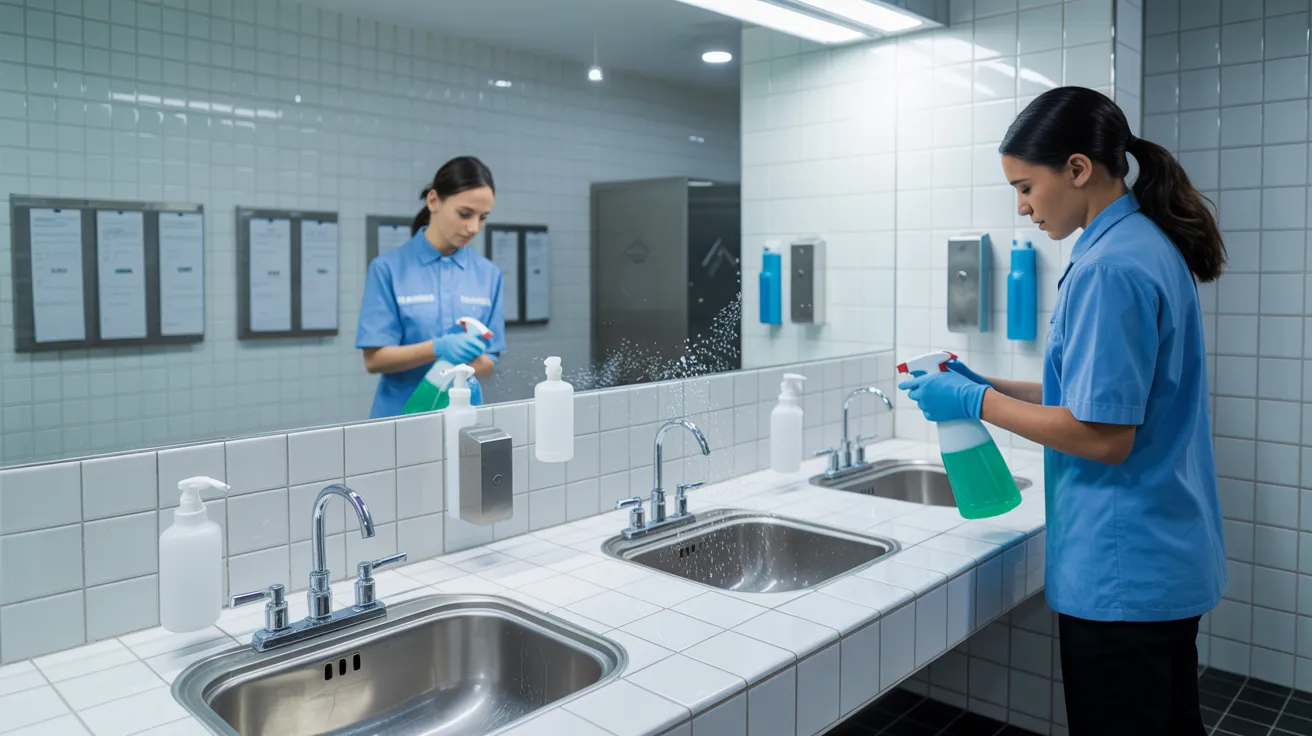
Brampton cleaning services stress high-touch surface disinfection given the potential of bacteria, viruses, and food residue transmitting across the location. You need a written protocol for sterilizing frequently touched items like handles, plates, switches, railings, equipment controls, payment terminals, and fridge pulls. Implementing surface identification mapping, teams pinpoint every high-traffic surface and determine cleaning timing
when results fall outside required standards. They also avoid cross-contamination through replacing cleaning materials, maintaining sequential processes
Kitchen Areas, Floor Surfaces, and Bathroom Spaces
Expect Brampton cleaning experts to target kitchens, floors, and restrooms because each area carries unique foodborne illness prevention, slip-and-fall, and sanitation risks. In industrial kitchens, you need degreasing on cook lines, equipment exteriors, drains, prep surfaces, and splash zones to minimize bacterial growth and pest activity.
Floor care that is supplementary information recorded should also be anticipated. Technicians clean and remove buildup from grout, tile, and vinyl flooring, then apply correct drying techniques so you can reduce slip incidents and maintain code-compliant conditions. They also handle entryways where moisture and debris migrate indoors.
Restroom cleaning involves sanitizing touchpoints, fixtures, partitions, dispensers, and waste containers, replenishing amenities and managing odor. They also maintain restaurant cleaning supply rooms where product storage, sink cleanliness, and drain systems impact daily sanitation standards and worker protection.
Why Food Safety Cleaning Matters in Brampton
In Brampton, you must maintain food-safe cleaning standards to satisfy regulatory standards and achieve compliance. You also minimize cross-contamination by cleaning and sanitizing food-contact surfaces, equipment, and high-touch areas correctly. Most importantly, you safeguard community wellness by reducing the chance of food poisoning in your establishment.
Regulatory Code Requirements
Food operations in Brampton face strict public health standards, making food safety cleaning essential to fulfilling health code requirements, safeguarding patrons, and eliminating enforcement action. You must maintain sanitized food contact points, written maintenance records, correct sanitizer application, and documented employee protocols that correspond to municipal and provincial inspection expectations.
Failure to maintain cleaning standards creates risks citations, remedial directives, brand harm, and potential disruption during follow-up inspections or compliance reviews.
Cross-Contamination Control
Adhering to regulatory guidelines requires your expertise in stopping cross-contamination throughout daily food handling and cleaning. You need to separate raw ingredients from ready-to-eat foods, sanitize work stations after each task, and keep chemicals away from food-contact items. Structured procedures reduce transfer risks and maintain ongoing regulatory adherence.
Building allergen segregation prevents priority allergens from contacting shared surfaces, containers, or equipment. Leverage separate cutting boards, colored implements, and precise instrument labeling so team members won't blend products during preparation or service.Enforce handwashing after handling raw meat, seafood, eggs, or allergen-containing products. Refresh cleaning cloths frequently, and confirm sanitizer strength with test strips. When you train staff to follow these controls each shift, you foster a cleaner, more secure operation that exceeds Brampton's safety standards daily.
Public Wellness Protection
When food safety cleaning fails, you don't just face inspection failure—you increase the chance of food-related sickness impacting customers, staff, and the wider Brampton community. You also weaken your role in protecting public health, especially in busy food facilities where pathogens travel quickly through surfaces, equipment, and touchpoints.
You depend on sanitation protocols that remove soils, properly disinfect, and verify results. This involves maintaining exposure times, utilizing authorized sanitizers, maintaining records, and coaching staff to meet compliance standards. These actions support disease prevention by reducing microbes before contaminating food or hands. In Brampton, robust sanitation protects at-risk groups, curtails outbreak likelihood, and proves your diligence. When you adhere to proper protocols, you exceed requirements—you meaningfully lower danger and advance safer food handling across the region.
How Can Cleaning Practices Ensure Food Safety Compliance?
Implementing strict sanitation practices improves food safety compliance by reducing contamination risks, managing pathogen expansion, and positioning your facility in accordance with sanitation requirements under HACCP-based programs and public health regulations. You verify that food-handling surfaces remain visibly clean and microbiologically controlled, backing documented preventive controls and inspection readiness.
Effective cleaning also reinforces allergen control by eliminating residues that can lead to undeclared allergen exposure. by extracting residues that can provoke undeclared allergen exposure.
What's the Ideal Time to Arrange Commercial Cleaning?
regular routine cleaning
Use every week or monthly schedules
How Do You Choose Brampton Cleaning Experts?
Screen providers initially by their food hygiene standards—not budget alone. You need to verify that every company meets CFIA, public health, and HACCP standards for your operation. Demand proof of insurance, WHMIS compliance, training records, and management systems. Evaluate technician understanding of cross-contamination risks, chemical safety, and documented sanitation practices.
You must also evaluate operational reliability and accountability. Seek references from food facilities in Brampton, then assess response speed, corrective-action procedures, and communication standards. Ensure the company enables supplier checks and can provide inspection-compliant records when authorities or third parties demand verification. Verify equipment care, colour-coded tools are deployed correctly, and operational-specific risks are understood. A qualified provider protects compliance, product safety, and your market standing.
What does a cleaning and sanitation plan encompass?
Establish a documented plan that establishes every sanitation duty, standard, and accountability before production begins. You should specify cleaning frequencies, approved chemicals, dilution rates, contact times, tools, and verification methods for each zone, surface, and piece of equipment. Make sure to include pre-operational inspections, corrective actions, and employee training requirements.
Your framework should also include cross-contamination prevention, waste disposal, pest management measures, and scheduled documentation for bathrooms, drainage, ground surfaces, and food-handling zones. Clarify how you'll separate raw and ready-to-eat processes, help with ingredient tracking, and copyright accurate allergen labeling through validated cleaning between product changes. You should establish accountability, preserve signed records, and review results against regulatory standards, HACCP controls, and customer requirements. When gaps appear, revise procedures immediately and retrain staff.
Commonly Requested Questions
Will cleaning services handle overnight shifts at Brampton properties?
If you manage regulated spaces, you'll also require records that enable inspections and maintain assurance.
Do sanitation professionals offer hazard containment solutions?
Yes, you can find many Brampton sanitation professionals who offer hazard containment solutions. They manage hazardous materials, evaluate dangers, contain contamination, and begin swift cleanup to reduce exposure and avoid operational disruption. You should confirm response times, professional credentials, PPE protocols, and waste management. If your facility must comply with industry standards, select a service that documents incidents, follows compliant standards, and enables compliance verification.
Are plant-based disinfectants appropriate for food-handling equipment?
In essence, green disinfectants prove safe for food preparation areas provided you select solutions certified for food use that adhere to compliance requirements. Verify application timing, dilution ratios, and rinsing needs in advance of use. Botanical formulations reduce chemical burden, although you need proof of efficacy against target microorganisms. To ensure residue-free conditions, adhere to manufacturer instructions exactly and validate the disinfectant complies with relevant food safety standards.
Can cleaning plans change with seasonal production changes?
Certainly, sanitation programs respond to seasonal shifts readily. Revise timing, staffing, disinfectants, and validation steps to correspond with seasonal workflows while preserving regulatory requirements. Limit production downtime by organizing sanitization alongside equipment transitions, maximum output, and usage cycles. Also revise standard operating procedures, employee training, and environmental testing to reflect temporary risks, new allergens, or higher contamination levels. Scheduled reviews preserve your strategy functional.
Do professional cleaners coach staff members in proper hygiene techniques?
Yes, commercial cleaners typically educate your staff on sanitation best practices. You receive staff training on proper chemical use, contact times, contamination control, equipment disassembly, and documentation. They generally follow training with HACCP, GMP, and CFIA or local public health requirements. Many perform sanitation audits to verify compliance, identify gaps, and reinforce corrective actions. This allows you to maintain consistent procedures, succeed in audits, and minimize contamination hazards daily.
Final Thoughts
By collaborating with Brampton commercial cleaning and food safety professionals, you aren't simply tidying—you keep your operation compliance-focused and your standards in compliance. From kitchens to processing floors, every clean surface and maintained corner decreases contamination and avoids expensive losses. By arranging service at appropriate intervals and adhering to a systematic cleaning protocol, you secure staff members, clients, and your credibility. In a strictly regulated industry, clean spaces are mandatory—they're key to business compliance.